About
Who am I?
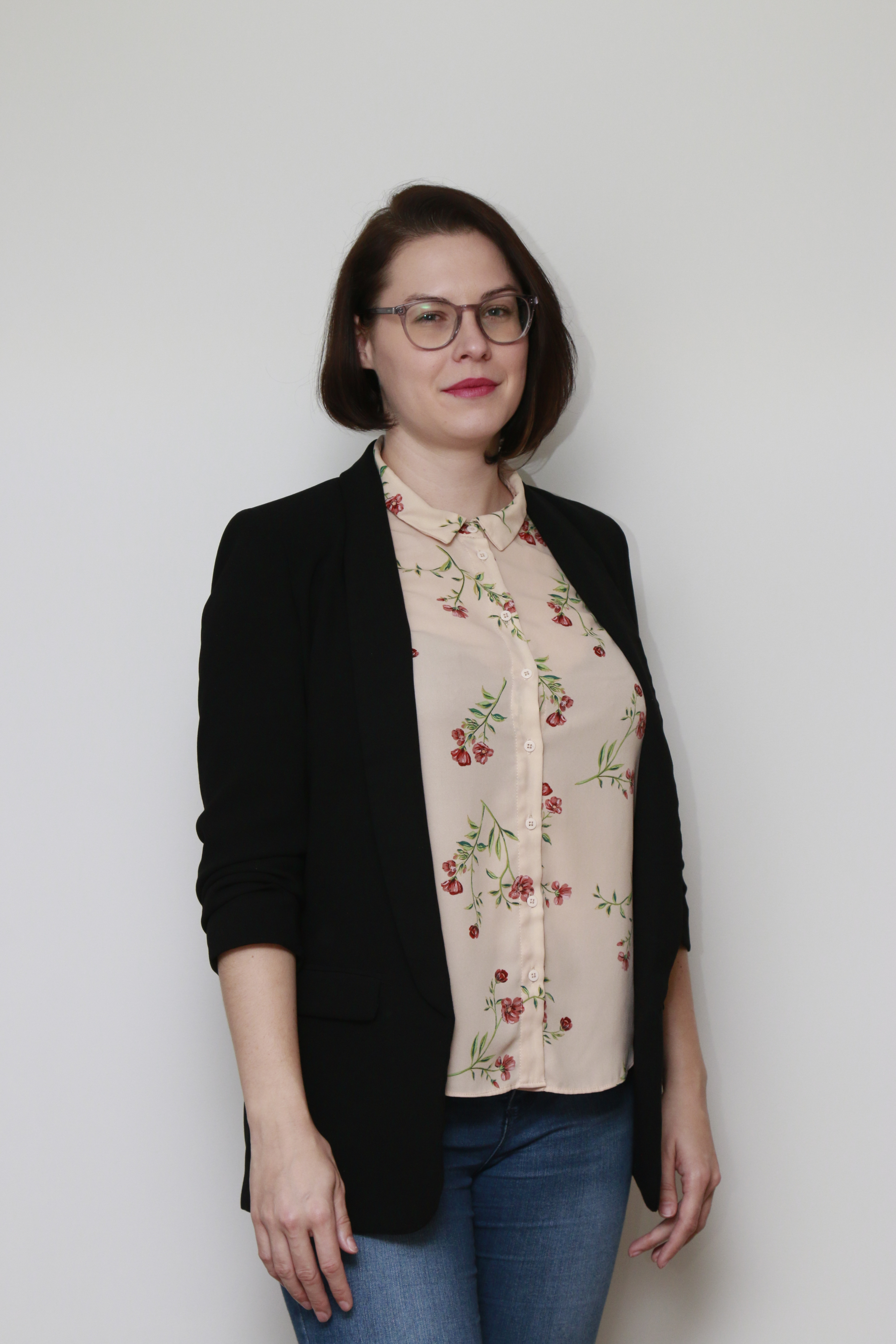
Hi, I’m Helen — a Product Designer with 7 years of experience designing complex, data-heavy products for B2B and B2C startups.
I specialize in turning ambiguity into clarity — transforming messy systems, unclear requirements, and technical constraints into intuitive, scalable solutions. I’m driven by the process of bringing structure to complexity and helping teams and users clearly understand how things work.
My background includes designing SaaS platforms, marketplaces, internal tools, and MVPs where design directly impacts business decisions, operational efficiency, and user confidence. I focus not just on visual design, but on product logic, user needs, and real-world usability.
What I bring to teams:
- Strong product thinking — beyond visual design
- Ability to simplify complex workflows and systems
- Experience working under real constraints (time, scope, technology)
- Clear communication with cross-functional teams
- A system-first mindset that supports scalability
Recently, I’ve been working on AI-powered products, designing tools that help professionals analyze complex information, navigate large datasets, and streamline workflows. My experience includes solutions in healthcare, cybersecurity, and workflow automation, where trust, transparency, and clarity are essential.
I’m particularly interested in working with teams building workflow-driven products and AI-integrated platforms — where design plays a key role in making complex technology accessible and actionable.
Law
I was born and raised in Belarus, where I developed a strong academic foundation and an early interest in understanding complex systems.
I graduated from law school, where I especially enjoyed working with complex legal systems and structuring information. During my studies, I often simplified materials using diagrams and tables, asked questions to deepen my understanding, and presented in front of an audience. Even then, it was important for me not only to understand things myself, but also to make complex ideas clear for others.
While studying, one of my professors noticed my work and invited me to join her bankruptcy law company. I worked there as a lawyer while completing my degree. My responsibilities included preparing and filing court documents, verifying information about legal entities, and working with contracts. One of my key tasks was identifying discrepancies between contract terms and actual payments to support debt recovery processes.
This role aligned well with my strengths — attention to detail, analytical thinking, and the ability to work with large amounts of information. However, over time I realized that the legal field felt too narrow for me, with limited opportunities for growth. I wanted more dynamics, variety, and the ability to influence processes rather than operate strictly within predefined systems.
After graduating, I decided not to continue in law and began exploring other directions. During this period, I became interested in marketing, attended several workshops, and grew curious about how products, communication, and user influence work. This led me to try sales.
Sales and Beauty Salon
I worked as a Sales Manager at Wallet One, where I learned how sales processes are structured: working with scripts, CRM systems, client segmentation, and building lead databases. We worked with an existing client base, offering additional services.
During this experience, I quickly noticed a mismatch between the product and user needs — many of the services we offered were not relevant to the audience. This became an important realization for me: I saw firsthand how critical it is to truly understand users, their goals, and their context, rather than simply follow predefined scripts. This was one of my first steps toward a deeper interest in user experience.
At the same time, I was looking for additional income opportunities and began learning sugaring (hair removal), entering the beauty industry. This became my first experience in entrepreneurship — I registered as self-employed and built a small business. I managed procurement, pricing, client records, marketing through social media, and tax reporting.
Later, I joined a beauty salon under the mentorship of my instructor, which allowed me to gain experience in a more structured team environment. Over the course of a year, I not only provided services but also contributed to improving internal processes. For example, I helped implement a system for appointment scheduling, inventory tracking, and payment management, which improved operational efficiency and client experience.
This was the moment I realized that I was interested not only in delivering services but in designing systems that make processes more efficient and user-friendly.
Alongside this, I developed strong communication and service skills — managing client interactions, resolving conflicts, guiding customers through services, and continuously improving service quality.
During this time, I also became interested in photography and completed a basic course. Initially, it was a tool for creating content for my business, but it soon evolved into a hobby that allowed me to interact with people, stay active, and enjoy the creative process.
Over time, I realized that the salon work format didn’t suit me, as it involved long periods of waiting for clients, while I was looking for more dynamic and engaging work. This became a turning point, and I decided to move toward a more growth-oriented and engaging profession.
My Own Workshops
I then focused more seriously on photography, completing additional training in portrait photography and practicing actively. This phase helped me develop strong visual thinking — understanding composition, working with imagery, and conveying emotion and meaning through visuals.
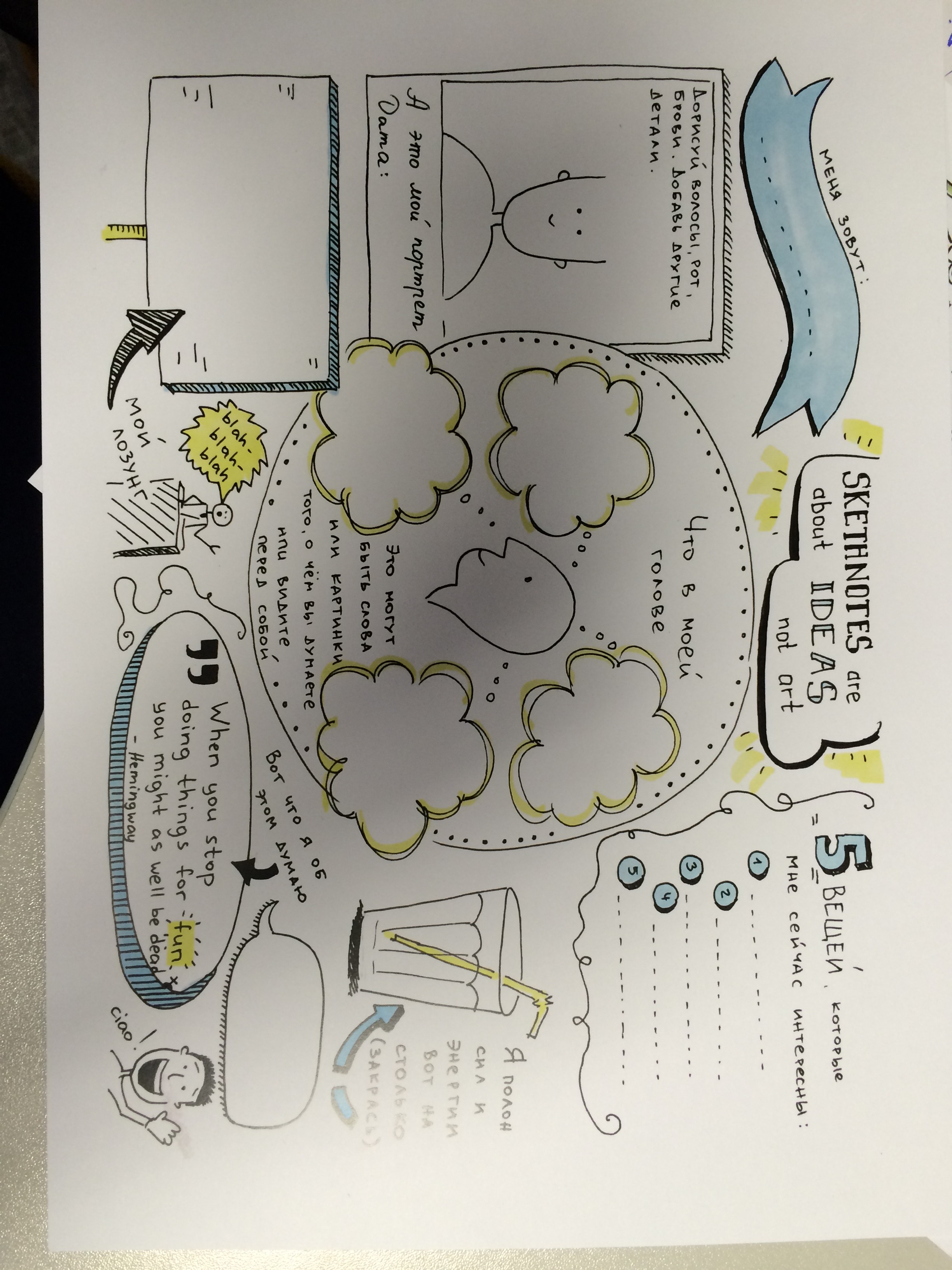
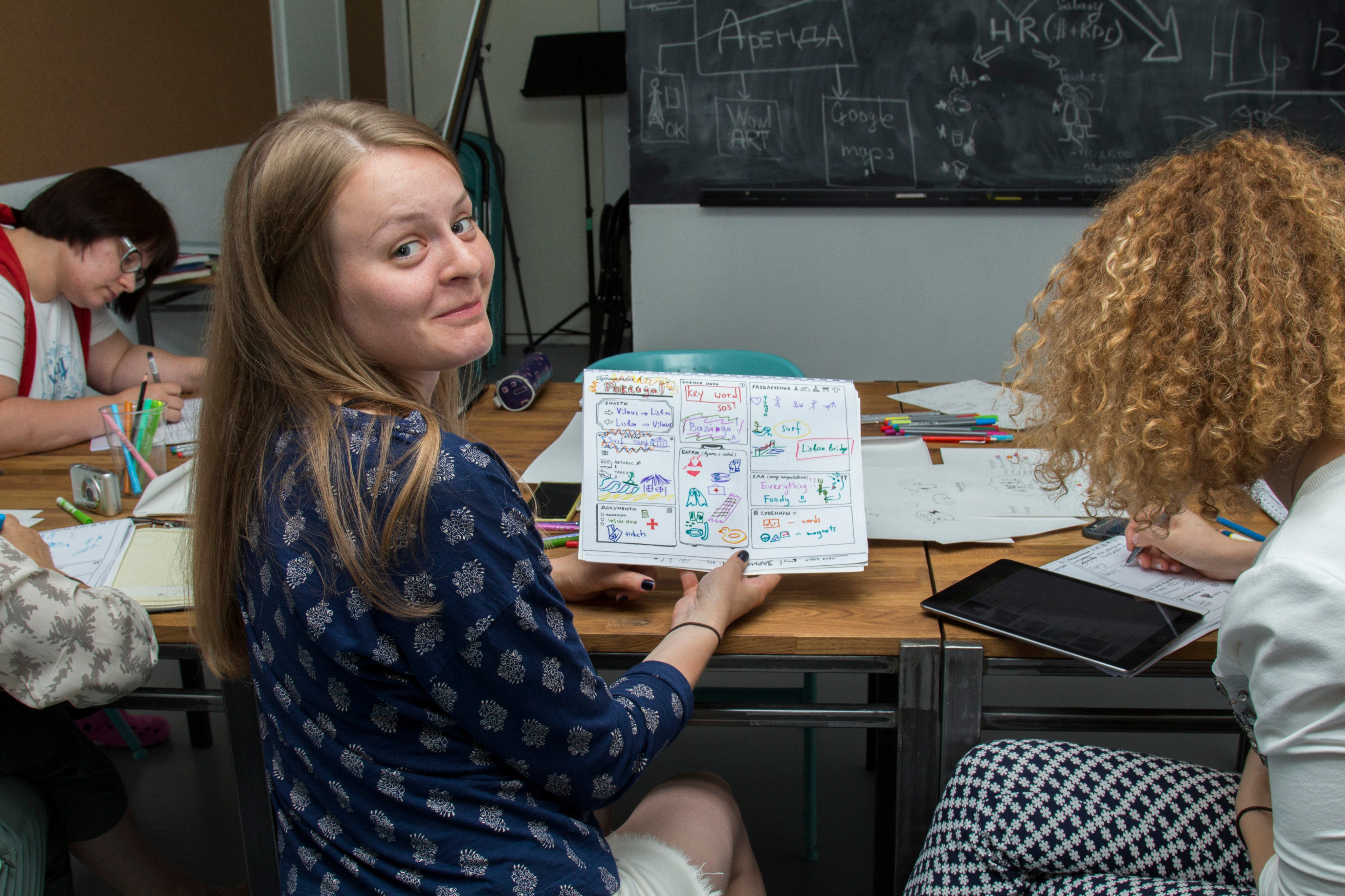
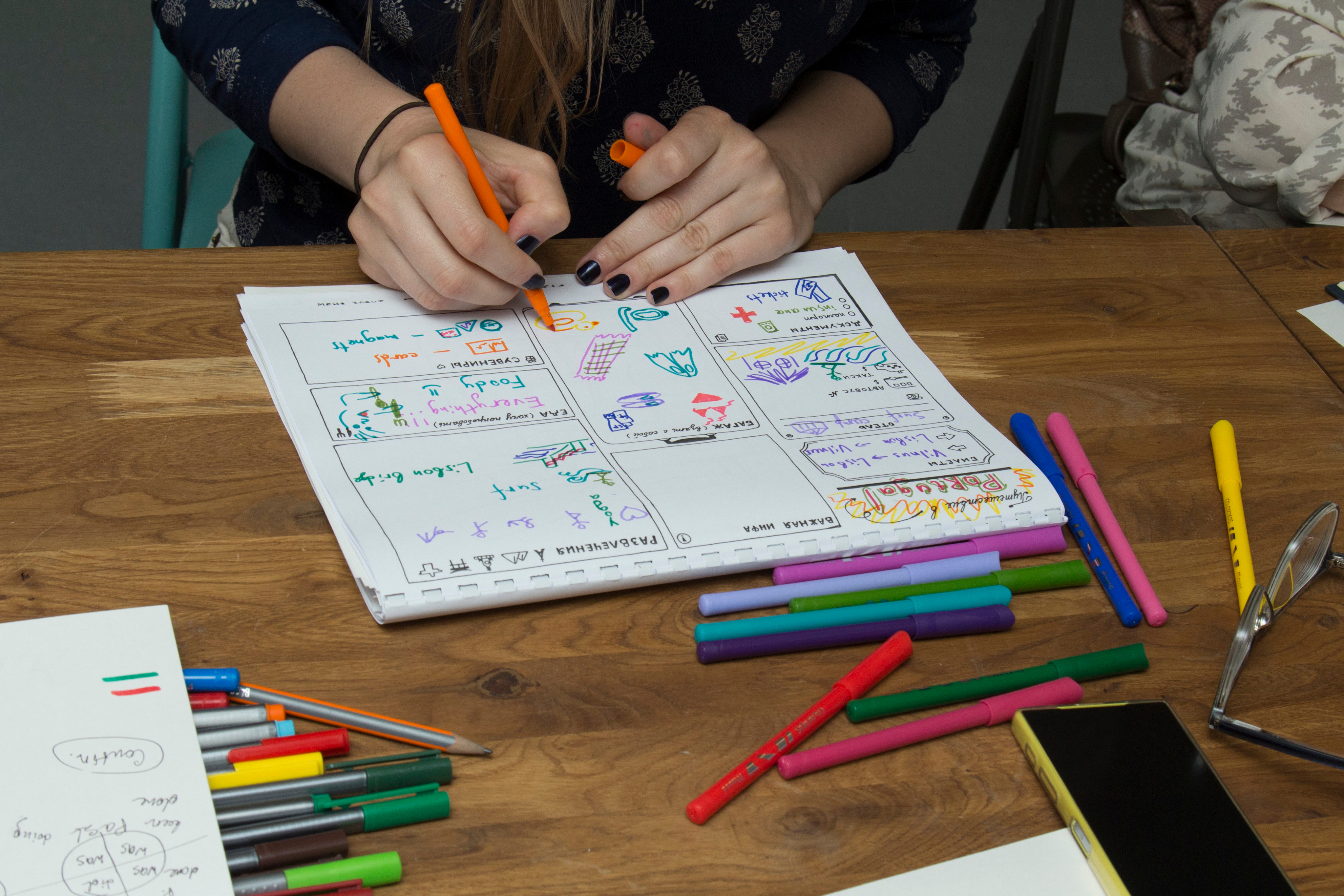
Through this, I was introduced to sketchnoting. A friend showed me a storyboard assignment, which sparked my interest in visualizing information. Later, I read The Sketchnote Handbook, which became a starting point for exploring visual thinking tools like doodling and scribing.
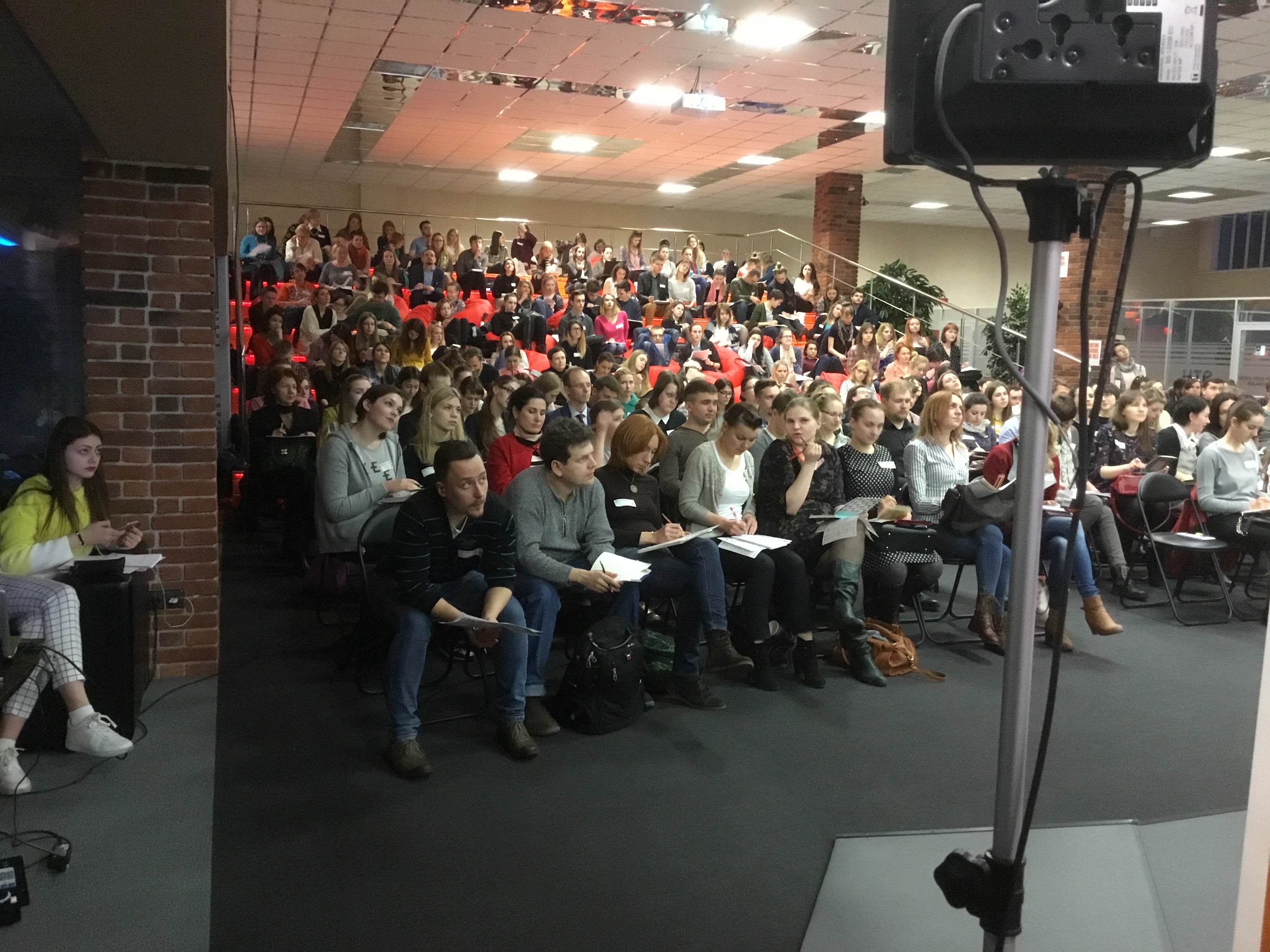
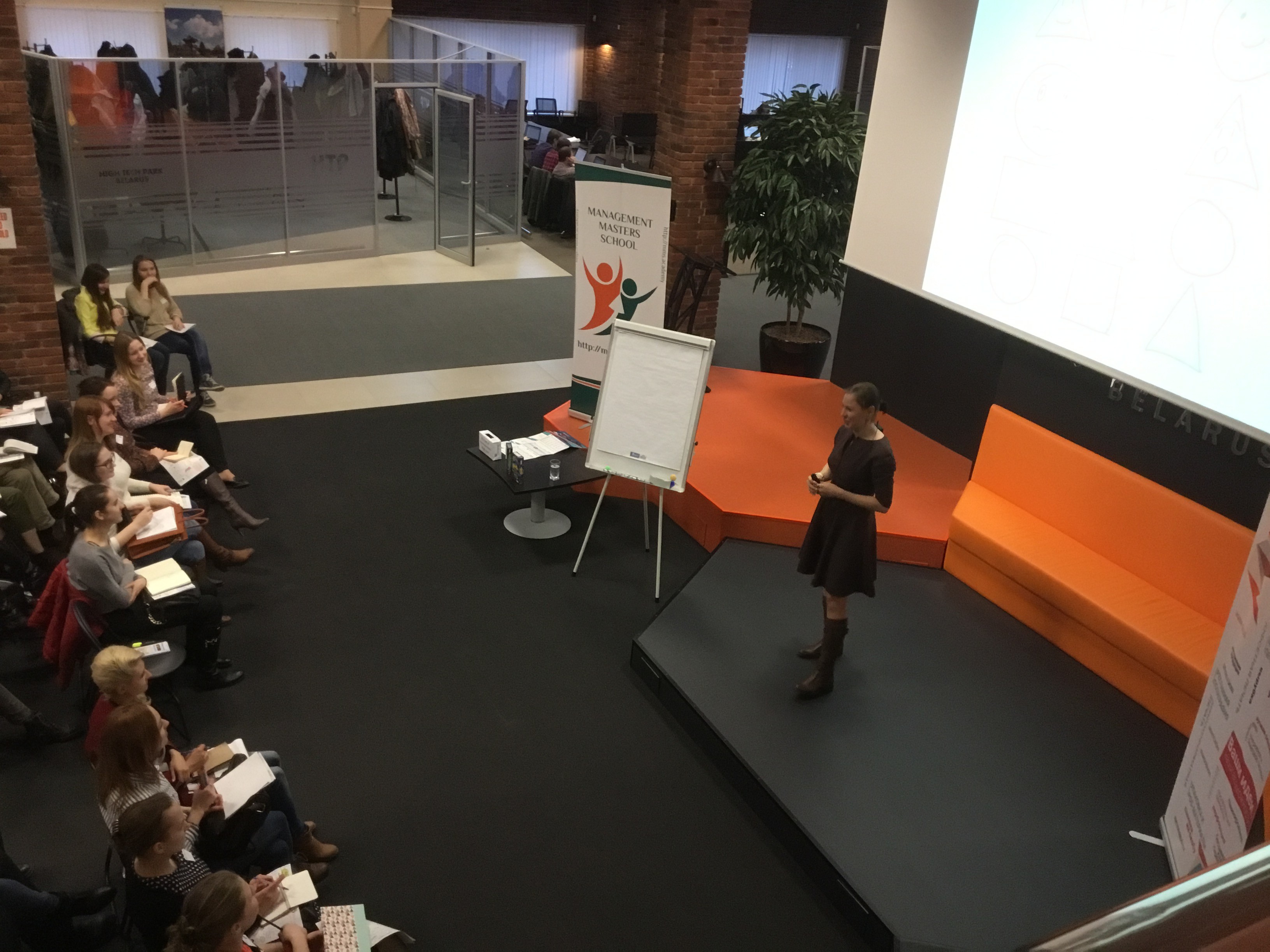
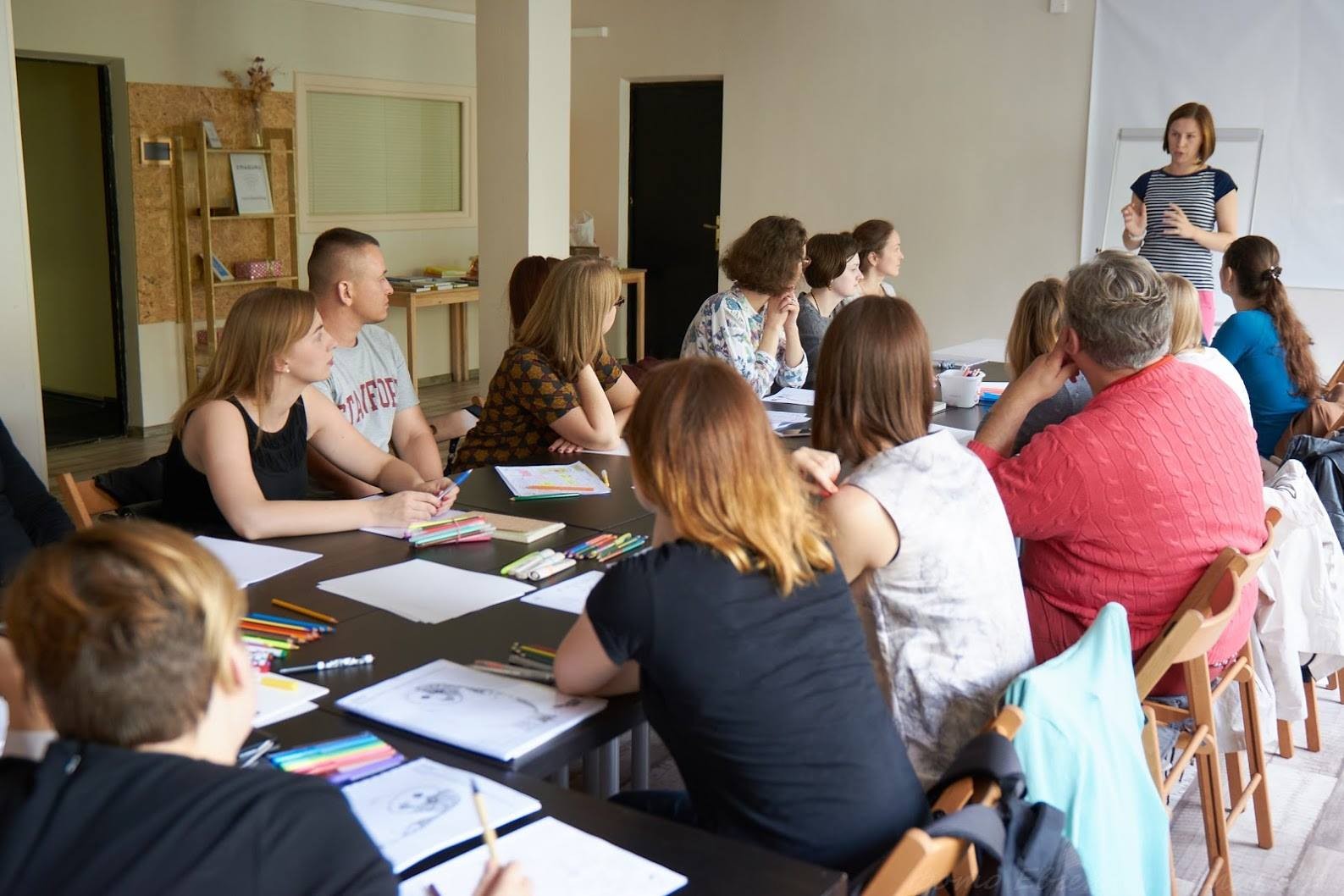
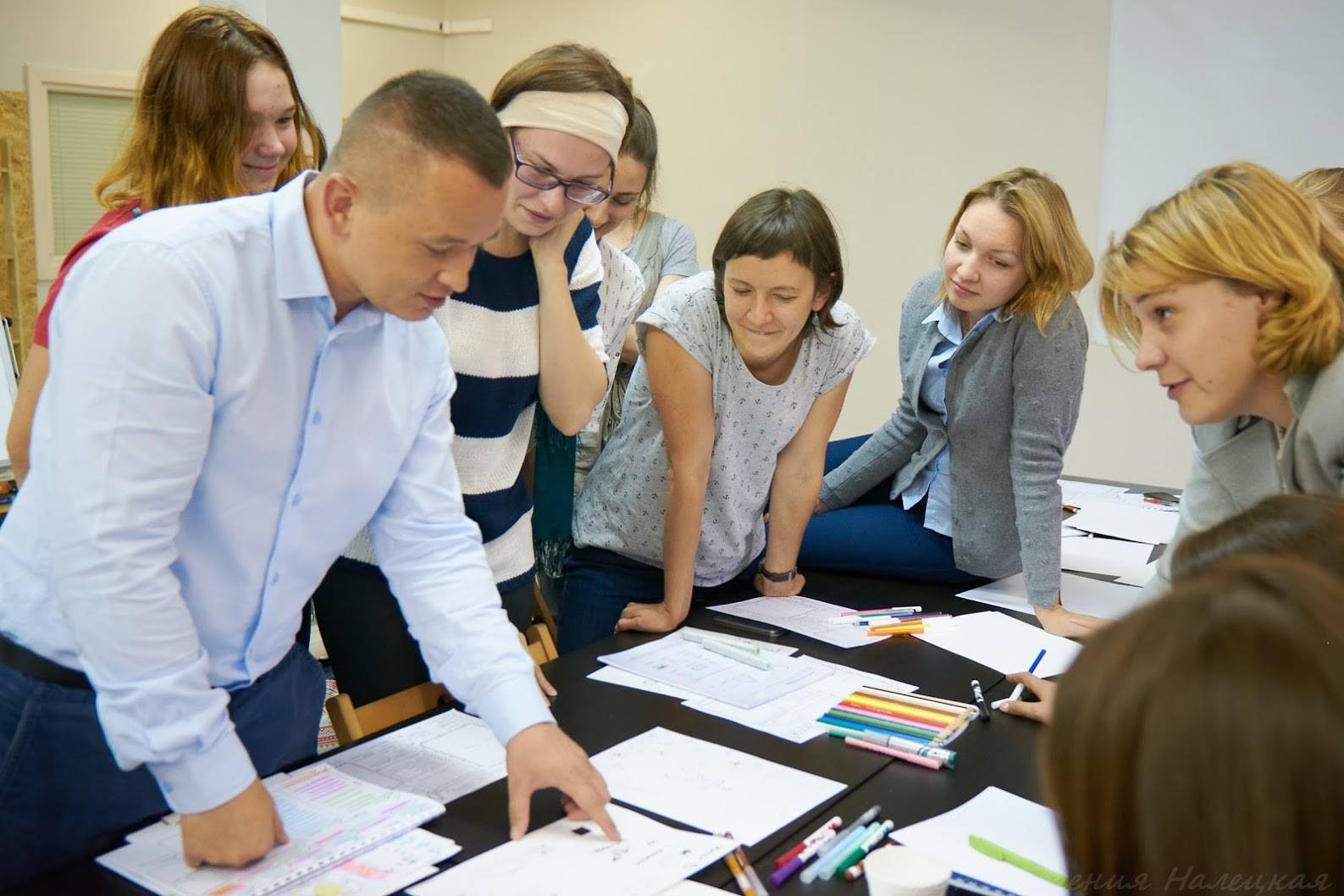
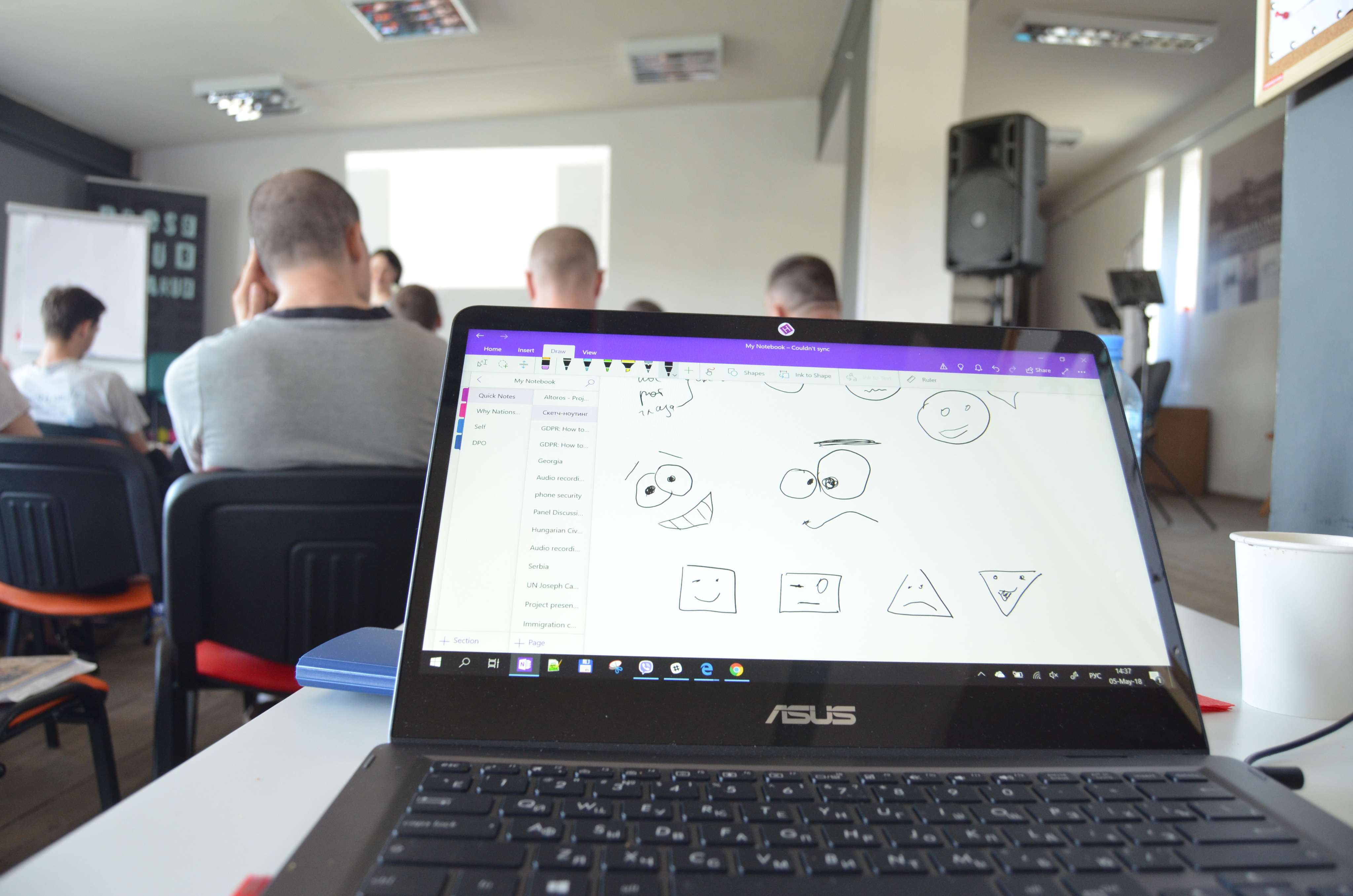
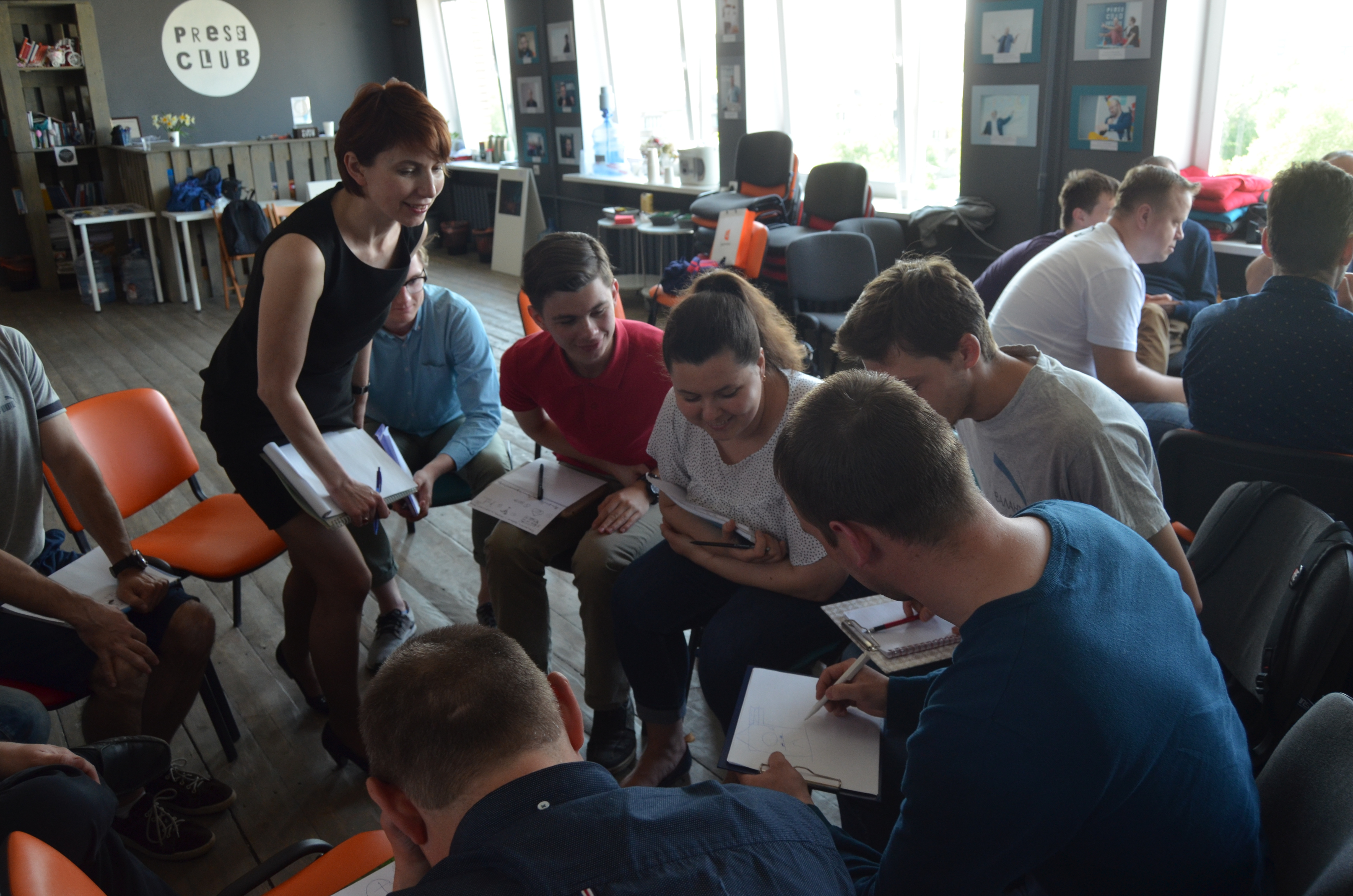
This inspired me to create my own workshop, where I taught people how to structure information and communicate ideas through simple drawings — even without professional art skills.
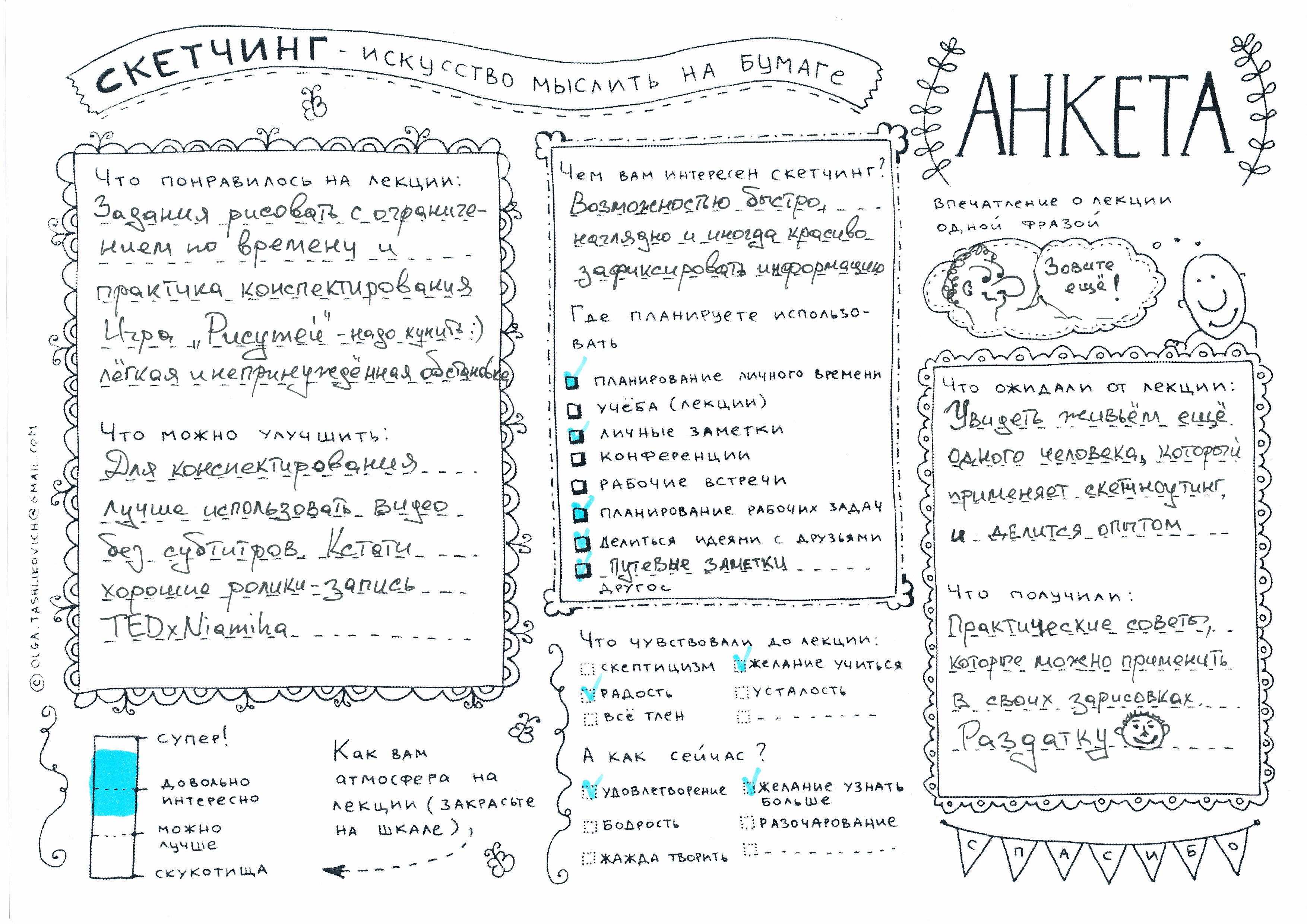
Over several months, I developed the workshop program, collaborated with graphic designers, promoted it through my network, and hosted events. The workshops gained traction — I was able to fill rooms, build a personal brand, and continuously improve the program based on participant feedback.
This experience allowed me to build an end-to-end process around an educational product — from attracting an audience to analyzing results and iterating.
TedTalk and Design
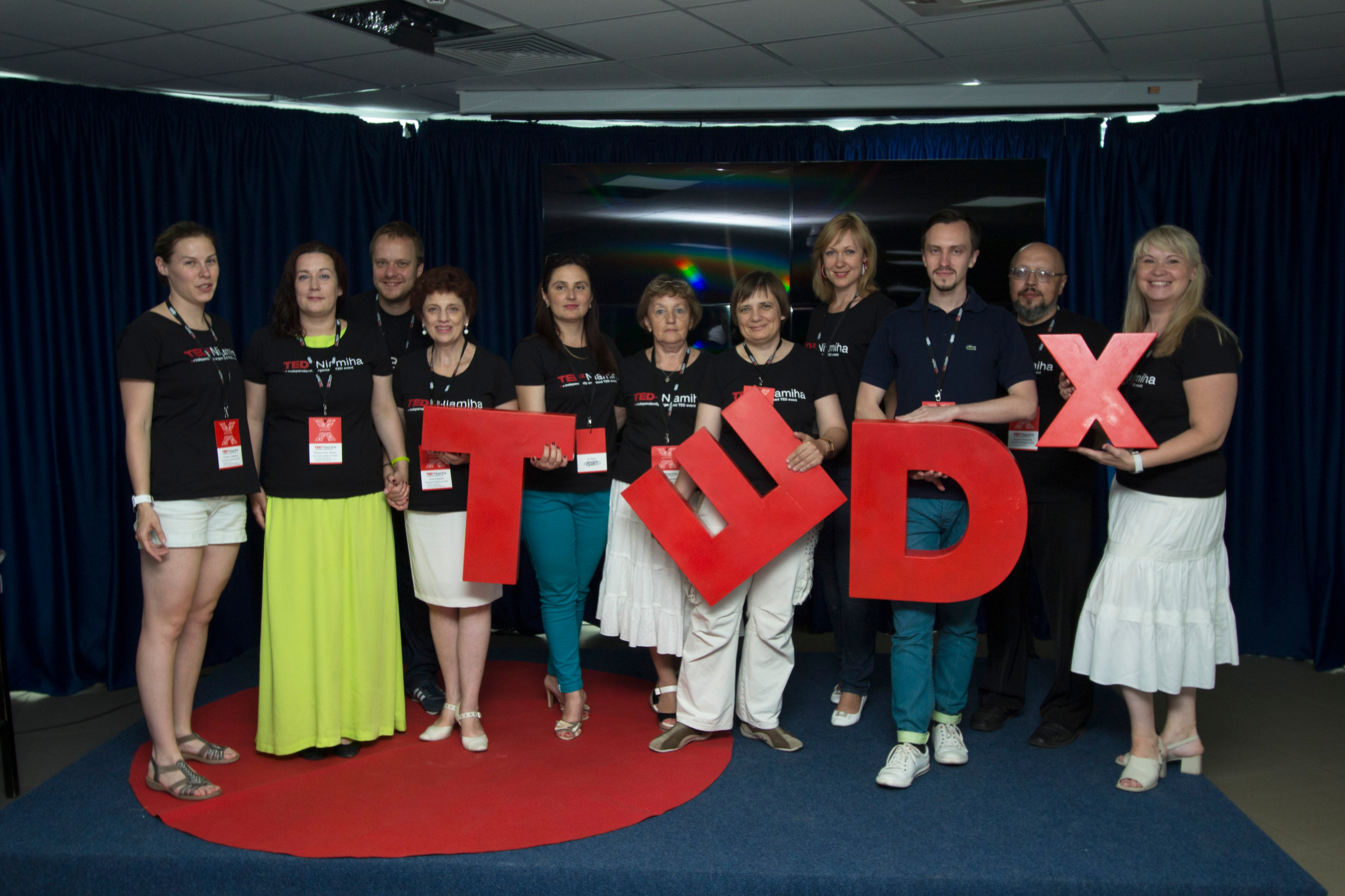
Later, I joined the team at TEDxMinsk, where I contributed to event organization, handled photography for events and backstage processes, and gained experience in teamwork, responsibility distribution, and conflict resolution.
By this point, I had accumulated experience across multiple fields, but I started noticing a common thread: everything I did was driven by a desire to simplify complexity, structure information, and make processes more intuitive for people.
At some point, I was offered the opportunity to try design professionally. After careful consideration, I chose to pursue this path, as it felt like a natural continuation of everything I had been doing before.
This marked the beginning of my career in design, where I have now been working for over 7 years.
Big Move to Canada and Design
Moving to Canada was one of the most challenging and defining experiences in my life. It meant leaving behind everything familiar and starting from zero — both personally and professionally.
At the beginning, I didn’t know where to find the design community, how to approach the job market, or even where to look for clients. I had to rebuild my career step by step — taking on freelance work, learning how the industry works in a new environment, and continuously developing my skills. It wasn’t always clear or easy, but it taught me how to stay flexible, take initiative, and keep moving forward even without certainty.
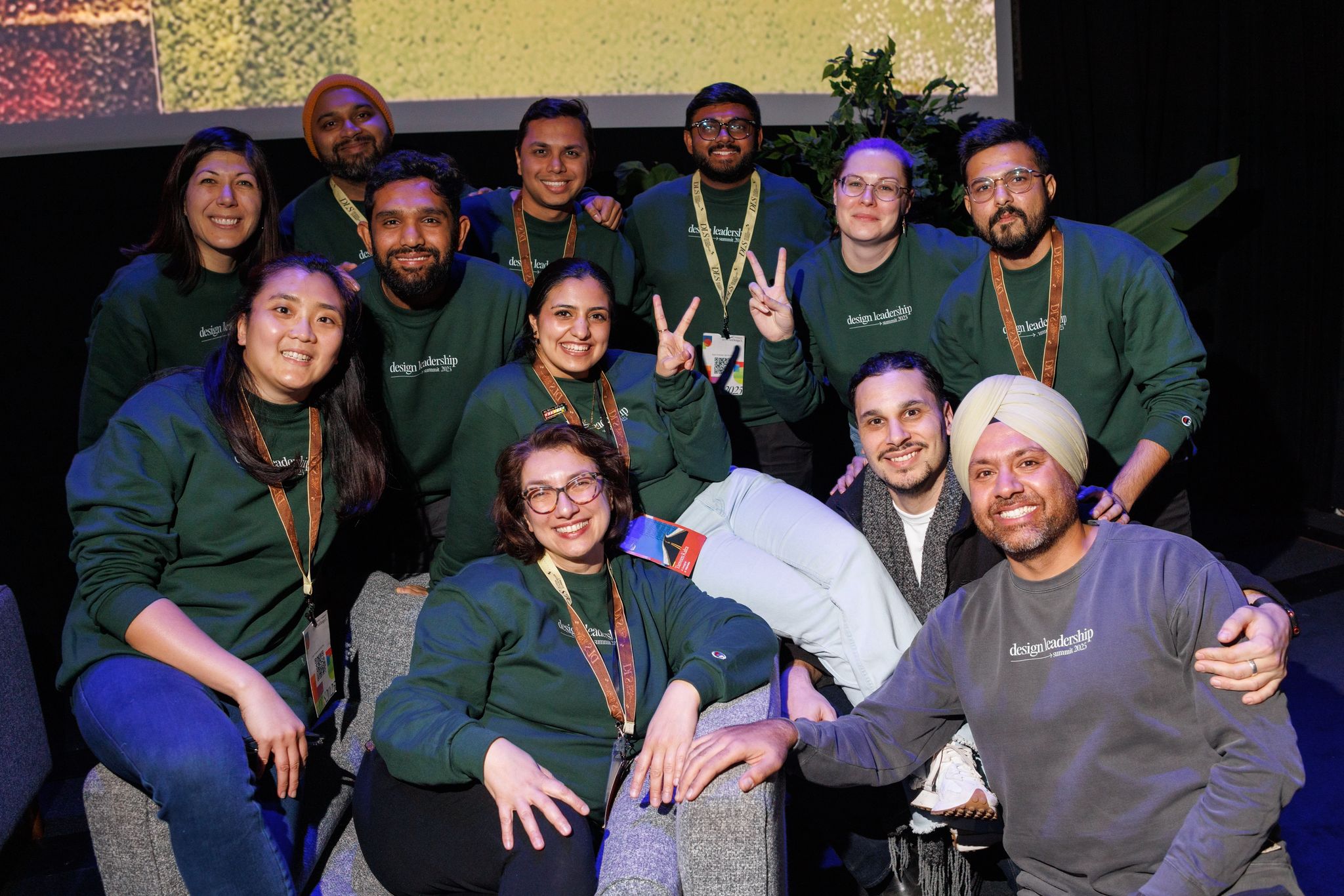
Things started to shift when I discovered DesignX. I began attending events, connecting with people, and eventually joined the team as a volunteer in 2025. This experience gave me more than just community — it taught me ownership. I learned how important it is to take responsibility for your part of the work, especially when it contributes to the success of a shared experience.
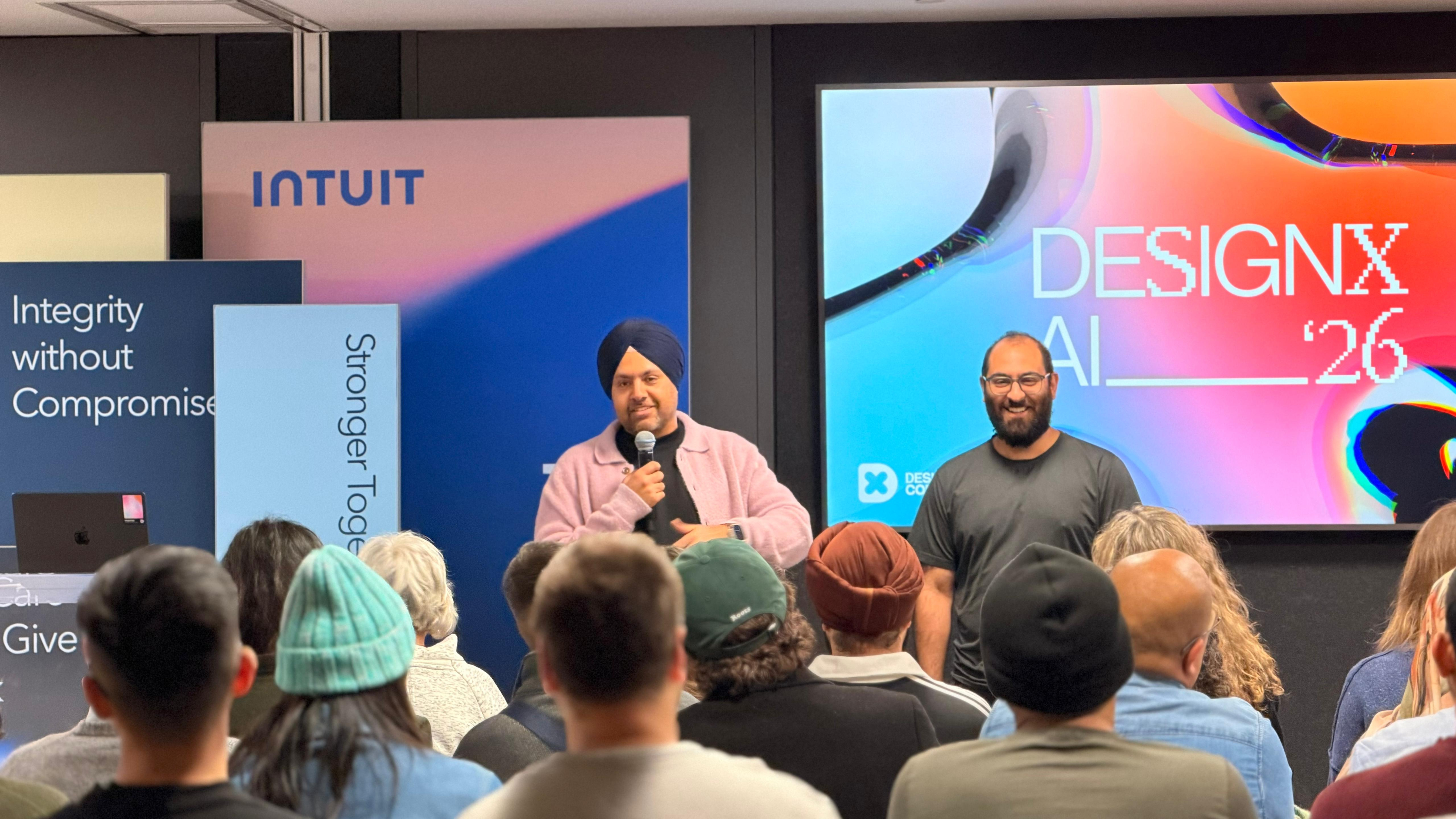
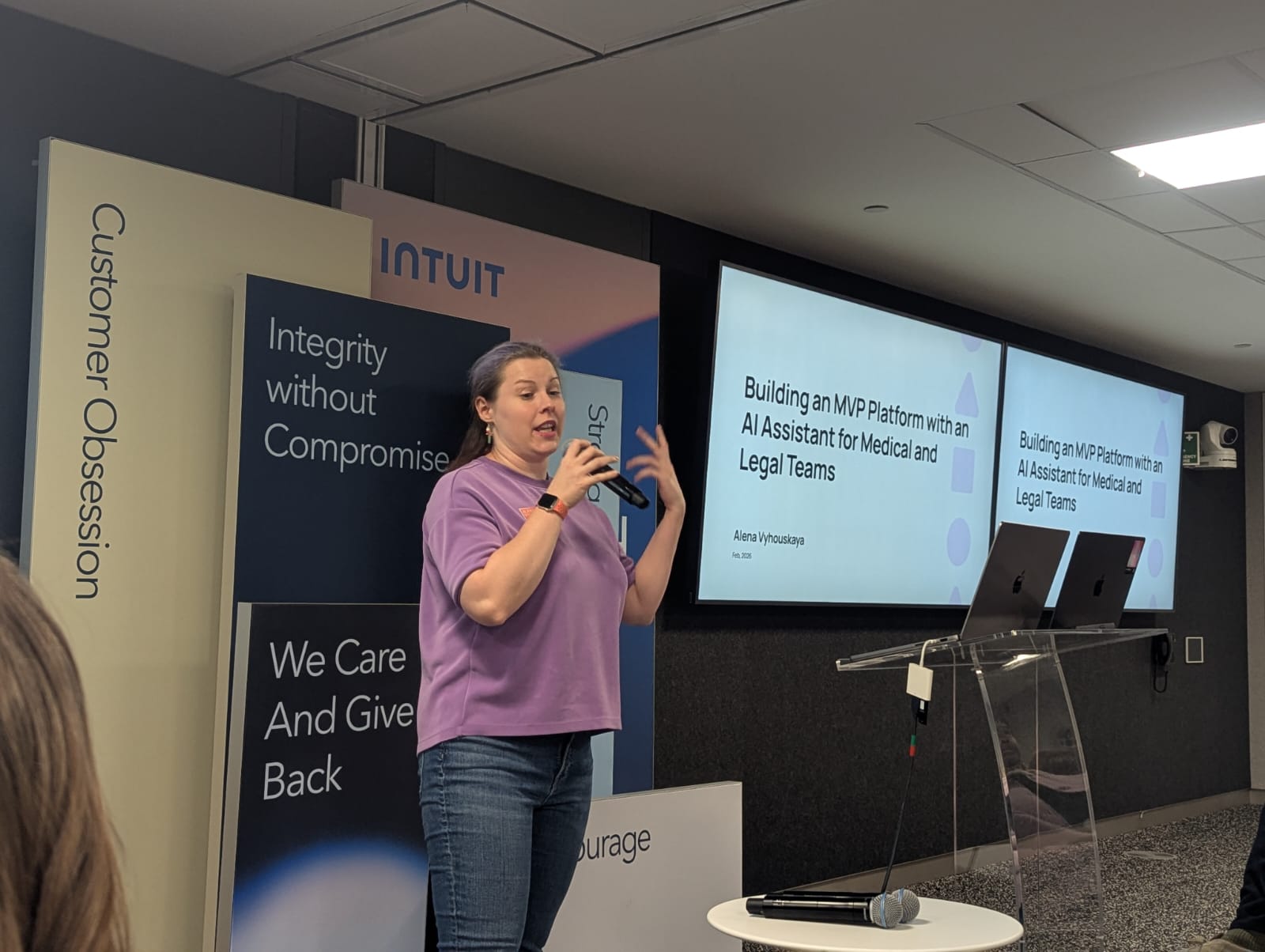
In February 2026, I gave my first talk — a short presentation on applying AI principles in product design — at a community event focused on AI projects. It was an important milestone for me, marking the moment I moved from learning and adapting to actively contributing and sharing my knowledge.
This journey shaped the way I approach both work and life. I’m not afraid of complexity or ambiguity — in fact, I enjoy it. I know how to turn unclear situations into structured, actionable steps and help others move forward with clarity.
Looking ahead, I’m planning to adapt my sketchnoting materials for the Canadian audience and start running workshops that combine learning with interactive experiences.